5 Fun Ways to Teach Your 5-Year-Old What Money Actually Is
- Paca
- Money basics
- April 17, 2026
Table Of Contents
Your child hands you a five-cent coin and asks if it’s enough to buy a bicycle. You smile, because of course it isn’t, but then you realise — they have absolutely no way of knowing that yet. To them, a coin is a coin. The shiny one might even be worth more than the dull one. This is where it begins.
If you’re trying to teach young kids about money, the good news is you don’t need a curriculum, a chart, or a special app to start. You just need a few minutes here and there, and the willingness to play along. The earlier money becomes a normal, friendly thing in the house, the easier every later conversation gets.
Why “what is money?” is the right place to start
Before saving, before spending, before any of the bigger lessons land, a child needs to understand that money is a thing we trade for other things. That’s the foundation. Kids who skip this step often arrive at age eight or nine with confused beliefs — that money lives inside cards, that machines make it, or that if you ask politely, more will appear.
It’s not their fault. Most of us pay with a tap and a beep these days. The physical, visible part of money has gone quiet. Which means the job of making it visible falls to us — and it turns out, kids love it when we try.
Here are five small things that work.
1. The coin sorting game
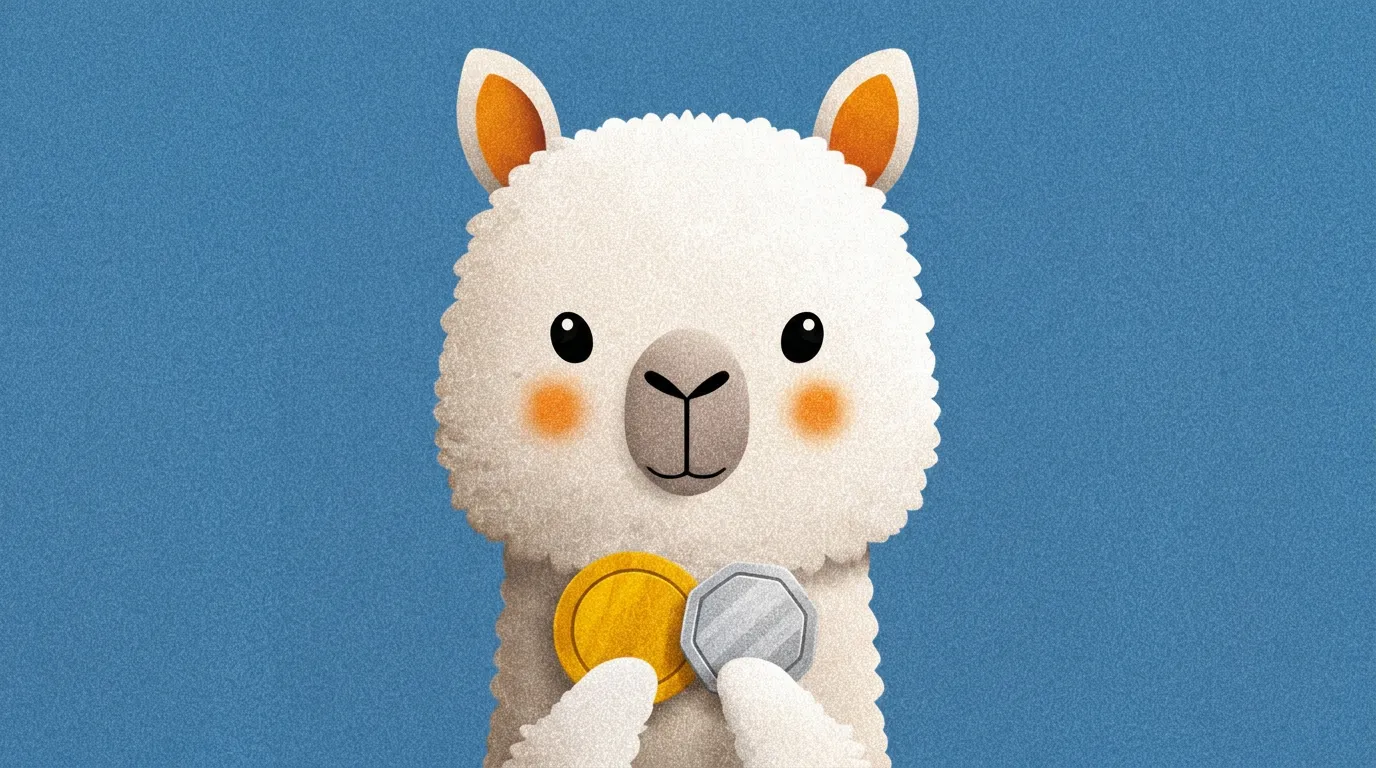
Tip a small bowl of mixed coins onto the kitchen table. Ask your child to sort them — by colour, by size, by which ones feel heaviest. Don’t worry about value yet. Just let them touch, stack, and notice.
After a few minutes, name each coin together. “This little one is five cents. This big silver one is two euros.” Repeat the names with a sing-song rhythm. Children learn through repetition far more than explanation.
If you want to add a bit of challenge, try lining up three coins and asking which is worth the most. Be patient with wrong guesses — bigger doesn’t always mean more, and that’s a brilliant thing for a young brain to wrestle with.
2. The swap game
This one teaches the deepest idea in money — that money is just a swap — without ever saying the word “currency.”
Set up two little piles on the floor: a pile of objects (a toy car, a sock, a biscuit) and a pile of coins. Take turns being the shopkeeper. Hand over a coin, receive a sock. Hand over a sock, receive a coin. Make it silly. The biscuit costs two coins. The toy car costs five socks.
What you’re quietly teaching is that money is one of many things you can trade. Long before children meet the word currency, they can feel what it does.
3. The “where did this come from?” question
The next time you’re putting away the shopping, pick up an apple and ask your child, “Where do you think this came from?” Let them answer. Then ask the next layer: “And before that?” And before that?
Trace it backwards together — the shop, the lorry, the farm, the tree. Then mention, very lightly, that the apple cost some money, which came from working, which came from time. You don’t need to land it neatly. You’re just planting a small idea: things we use every day come from somewhere, and someone earned the money to bring them home.
4. The piggy bank tour
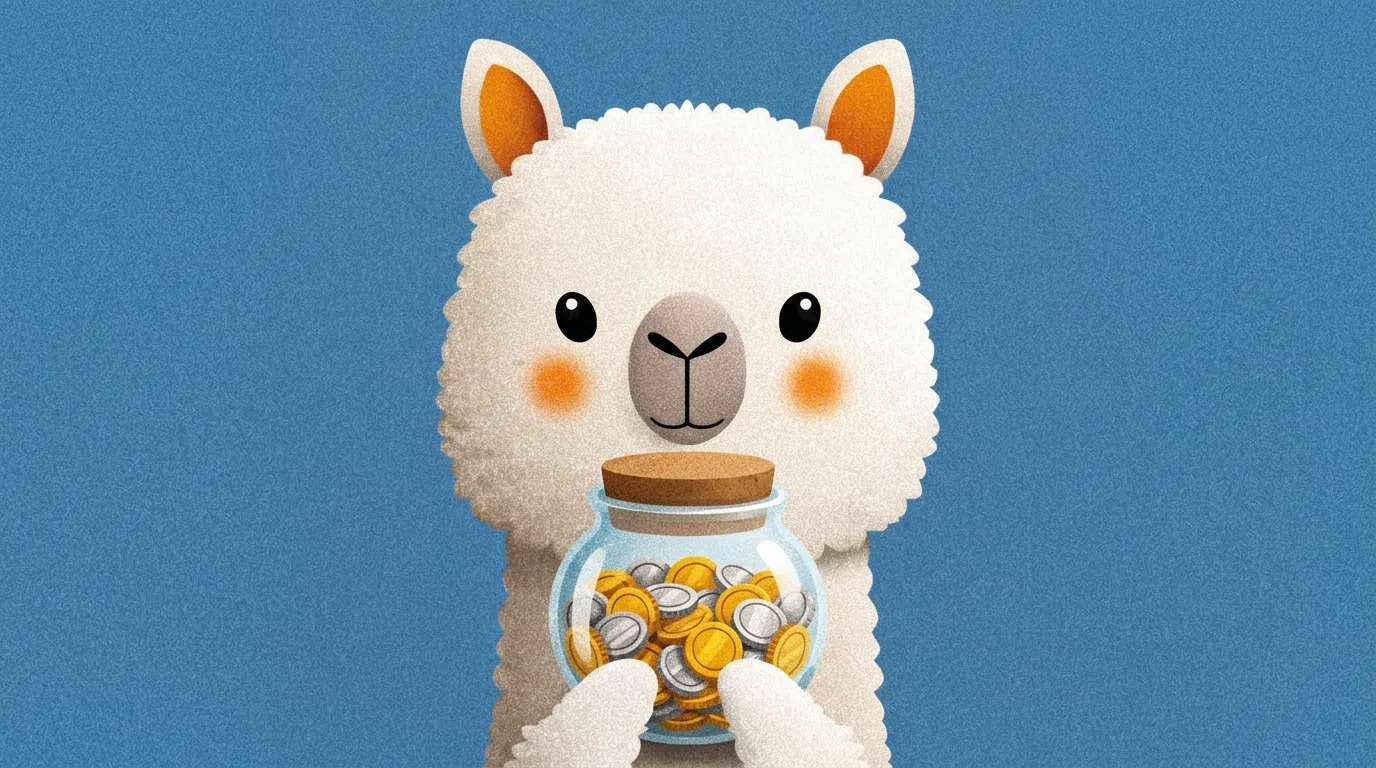
Get a clear jar (clear is important — they need to see it filling). Decorate it together. Then tell your child it’s their jar, for their money, and they get to choose what goes in.
Drop in a coin every now and then. When grandma slips them a euro, ask if they’d like to put it in the jar. Don’t push. The point isn’t to fill it — it’s to give your child a private little world where money lives, where they’re in charge of it, and where they can lift it up and shake it and feel that it’s getting heavier.
This single object will teach more about saving than any lecture you could give.
5. The pretend shop
Set up a “shop” on the sofa. A few stuffed animals as customers. Some objects with little price tags (a teddy: 2 cents. A spoon: 5 cents. A plastic banana: 10 cents). Hand your child the role of shopkeeper.
Pay them. Get change. Complain about the price. Ask if there’s a discount. Pretend the spoon is broken and ask for your money back. Make it absurd, make it warm, make it about the back-and-forth — because that’s what money really is, a back-and-forth between people.
You can play this for ten minutes a week and your child will, without realising it, start to grasp prices, change, and the strange social dance of buying things.
Meet Paca — Your Child’s First Financial Guide
If you’re looking for a gentle, screen-time-friendly way to keep these conversations going beyond the kitchen table, The Paca Bank was built for exactly this.
Paca is a warm, curious alpaca who guides children aged 5–16 through bite-sized money lessons — covering everything from what coins are to how compound interest works. Every lesson is designed to be read aloud with a parent. No ads. No subscription. No backend tracking. Just one purchase per age pack, fully offline.
Packs available:
- 🐾 Little Savers (ages 5–7) — what money is, saving, needs vs wants, giving, shops, earning
- 🐾 Smart Spenders (ages 8–10) — budgeting, banks, smart spending, borrowing, goals
- 🐾 Money Builders (ages 11–13) — taxes, compound interest, investing, credit
- 🐾 Future Wealthy (ages 14–16) — real income, mortgages, ETFs, wealth building
- 🐾 Complete Pack — all four packs together
Download on the App Store · Get it on Google Play
A small thing to remember
You don’t need a perfect plan to teach young kids about money. You just need to make money visible — touchable, swappable, countable, talked-about. A child who has played the swap game ten times will understand more about how money works than a child who has been told once. Repetition, warmth, and a few small props will carry you a long way.
If you’d like to read more about how we structure these early lessons, have a look at our about page — or stay tuned for the next post in this series, all about saving up for something special.
Money doesn’t have to be serious to be learned. In fact, for a five-year-old, it really shouldn’t be.