Saving Up for Something Special: A Gentle Guide for Little Kids
Table Of Contents
Your child sees a small toy in the shop. They want it. You say not today. They ask why. You say something about money, or saving, or “another time” — and the moment passes, but the lesson doesn’t really land. Sound familiar?
Teaching kids to save money is one of those things that sounds simple until you try it. You can’t really explain patience to a five-year-old. You have to let them feel it. The trick is giving them a little world where saving is visible, achievable, and rewarded — and then standing back while they figure it out.
Why saving is hard for young children (and that’s okay)
A five-year-old’s brain isn’t built for the long game. Marshmallow tests aside, the part of the brain that handles delayed gratification is still very much under construction at this age. Asking a small child to “wait and save” is a bit like asking them to wait for a film to download in the early 2000s — they technically can, but every minute feels like an hour.
So when we talk about teaching kids to save, we’re not really teaching willpower. We’re teaching the feeling of working toward something — the small daily satisfaction of watching a jar fill up, of counting again on Sunday, of getting closer. Once a child has felt that feeling once, they can find it again. That’s the whole game.
Step one: pick something real
Saving is much easier when there’s something to save for. And the thing has to be real — not “your future” or “a rainy day.” A five-year-old does not understand a rainy day. A five-year-old understands a small dinosaur figure they saw at the shop on Saturday.
Sit down with your child and ask them what they would love to have. Not the most expensive thing in the world — something they can plausibly reach in a few weeks. A book. A small toy. A trip to a café for a hot chocolate. Anything that costs a believable number of coins.
Write the goal down together. Draw a little picture of it if you can. Stick it somewhere visible, like the fridge.
This is where saving stops being abstract and starts being a story your child is the hero of.
Step two: make the jar visible
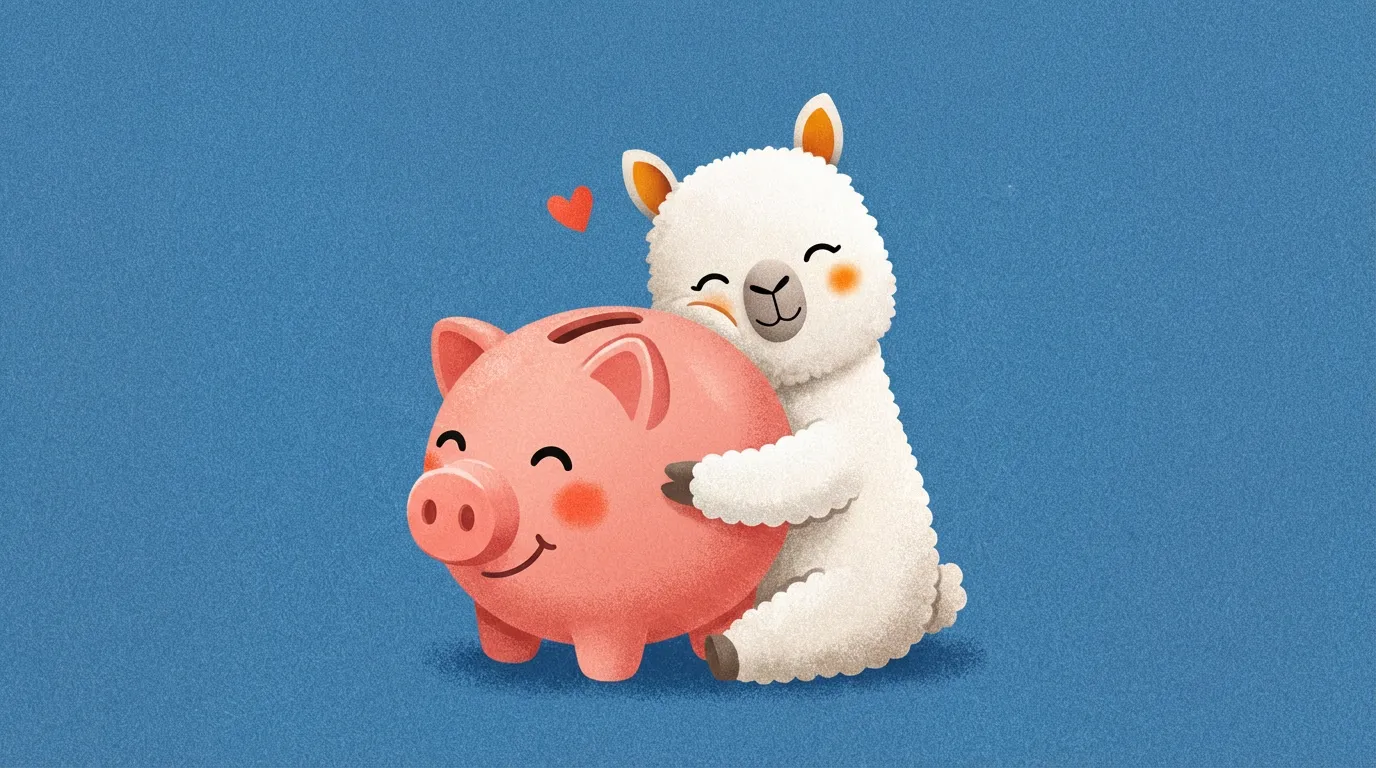
A piggy bank is lovely, but a clear jar is better. Children need to see the money piling up. When the jar is opaque, every coin disappears into mystery. When it’s clear, every coin becomes a small win.
Decorate the jar together. Tape the picture of the goal on the front. Put it somewhere they walk past every day — on the kitchen counter, on a shelf in their room. The location matters more than you’d think. A jar that’s seen daily is a jar that gets fed.
Then, every now and then — when you have spare change, when grandma visits, when there’s a coin in the bottom of the bag — drop one in. Don’t make a ceremony of it. Just let it become a small, normal thing the family does.
Step three: count together (often)
Once a week, sit on the floor with your child and tip out the jar. Count slowly. Stack the coins. Talk about how much there is now compared to last time.
This single ritual does more than any chart on the wall. It turns saving into something tactile. Your child sees the pile getting bigger. They feel the weight of the coins. They start to recognise the numbers — which is, by the way, brilliant maths practice tucked inside something fun.
If they ask, “are we nearly there?”, be honest. “Not quite. Maybe in two more weeks.” Don’t speed things up artificially — the waiting is the lesson.
Step four: let them spend it
When the jar is full enough, take them to buy the thing.
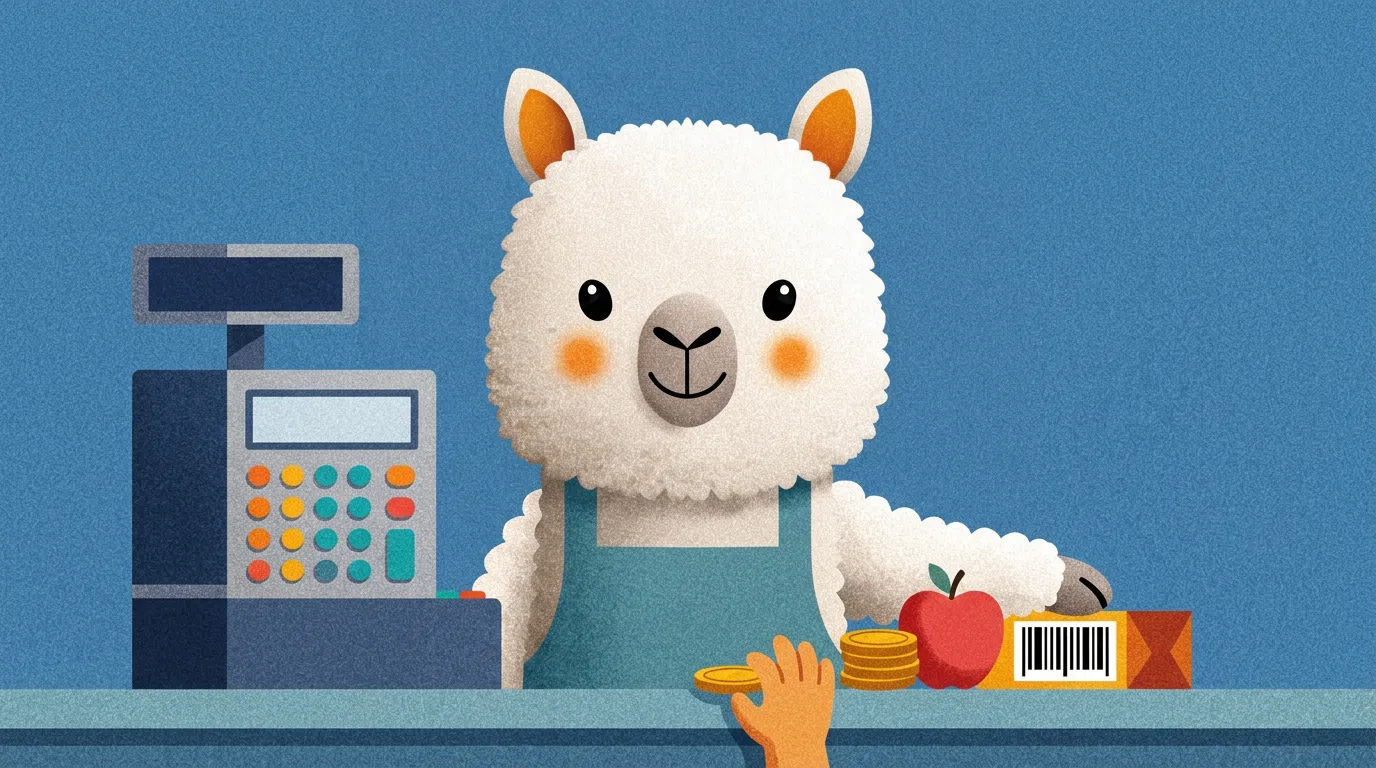
Walk into the shop together. Let them carry the jar, or the little cloth bag of coins. Let them hand the money over. Let them count it out at the till, even if it takes a while and there’s a queue. Especially if there’s a queue. They will remember this moment for years.
After, talk about how it felt. Was it worth it? Did they enjoy the saving part too? Would they do it again, but for something bigger? You’re not testing them — you’re just helping them notice their own feelings about the whole experience. That noticing is the seed of every good money habit they will ever have.
What to do when they want to give up
Sometimes a child loses interest halfway through. The jar sits there. They’ve moved on to a different toy in a different shop. This is completely normal.
You have two gentle options. The first is to remind them about the original goal — pull the picture off the fridge, count what’s already in the jar, ask if they still want it. Sometimes this rekindles the project. Sometimes it doesn’t.
The second is to let them change the goal. That’s not failure. That’s how real saving works for grown-ups too. We save for one thing, life shifts, we redirect. Helping your child make that decision deliberately (“we have €4.50 — would you like to keep saving for the dinosaur, or save for something else now?”) teaches a much more useful skill than forcing them to stick with the original plan.
A small note on words
When you talk about saving with a five-year-old, keep it simple. “Putting some away for later.” “Adding a coin to the jar.” “Waiting until we have enough.” Avoid the more abstract framings — “investing in your future,” “delayed gratification,” “building good habits” — even if you mean them. The child will absorb the feeling of those things from your tone, not your vocabulary.
Meet Paca — Your Child’s First Financial Guide
If you’d like a calm, structured way to keep building these habits beyond the jar on the kitchen counter, The Paca Bank was built for exactly this.
Paca is a warm, curious alpaca who guides children aged 5–16 through bite-sized money lessons — covering everything from what coins are to how compound interest works. Every lesson is designed to be read aloud with a parent. No ads. No subscription. No backend tracking. Just one purchase per age pack, fully offline.
Packs available:
- 🐾 Little Savers (ages 5–7) — what money is, saving, needs vs wants, giving, shops, earning
- 🐾 Smart Spenders (ages 8–10) — budgeting, banks, smart spending, borrowing, goals
- 🐾 Money Builders (ages 11–13) — taxes, compound interest, investing, credit
- 🐾 Future Wealthy (ages 14–16) — real income, mortgages, ETFs, wealth building
- 🐾 Complete Pack — all four packs together
Download on the App Store · Get it on Google Play
The thing they’ll really remember
Years from now, your child probably won’t remember the exact toy in the jar. What they’ll remember is the feeling — wanting something, working towards it, watching it grow, finally getting it. That feeling is the foundation of every saving decision they’ll ever make as a grown-up.
So go gently. One jar, one goal, one little hero of one small story. That’s all it takes to start.
If you found this helpful, you might also like our first post on teaching young kids what money is — or have a look at our about page to see how we approach lessons inside the app.