The Piggy Bank Is Not Enough: Why Kids Benefit from More Than One Jar
Table Of Contents
Most children own a piggy bank before they own any real understanding of money. It sits on their shelf looking cheerful, occasionally receiving coins from a grandparent, and doing very little to teach anything. When it’s full, it gets broken open and the contents get spent in one enthusiastic afternoon.
The piggy bank isn’t wrong. It just isn’t enough.
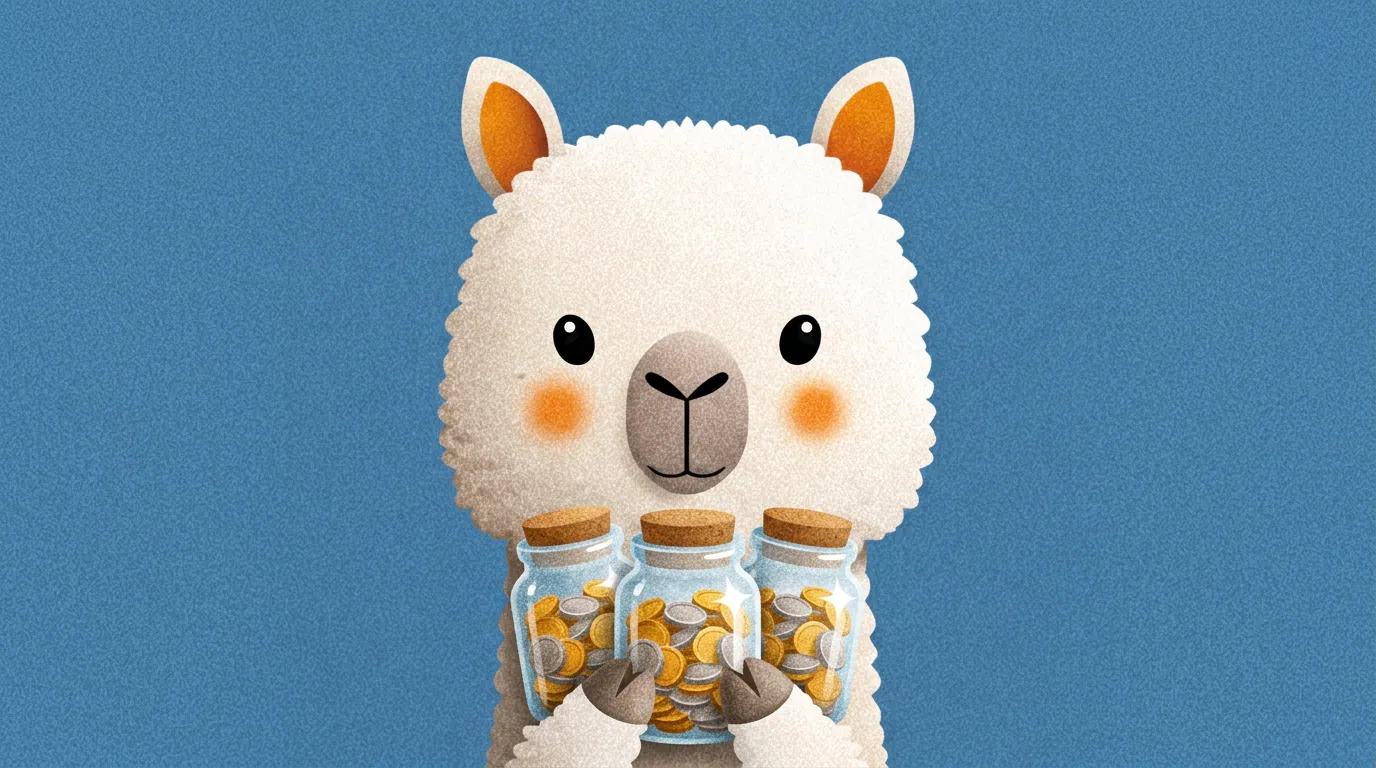
One jar teaches a child to collect money. Three jars teach a child to think about it. That’s an entirely different skill — and a far more useful one.
The problem with one jar
When all of a child’s money goes into one place, every spending decision becomes the same decision: do I want to take from the jar, or not? There are no other categories. No goals attached to any of it. No sense that some of the money is earmarked for something meaningful.
The result is usually one of two things. Either the jar fills up and the child treats it as a lump sum to be spent all at once, which teaches them nothing about patience or priorities. Or the jar sits untouched, slowly becoming a vague obligation the child feels guilty about — which teaches them even less.
The three-jar system solves both problems by giving money a purpose from the moment it arrives.
What three jars actually teach
Before we get into the mechanics, here’s the real reason this works:
A child who divides their money into three jars is learning that money has different jobs to do. Some is for now. Some is for later. Some is for someone else. That insight — simple as it sounds — is the foundation of every sensible financial decision they’ll ever make.
Adults who struggle with money often do so because they treat all income as one undifferentiated pool. Three jars build the habit of categorisation early, before it’s ever needed in high-stakes situations.
The Spend jar
This is the easy one. The Spend jar holds money your child can use whenever they choose, for whatever they like, with no questions asked and no judgment offered.
It might go on a small treat. A sticker book. An extra go on something at a fair. That’s fine. It’s supposed to. The Spend jar teaches children that money is also for enjoying, not just hoarding. A child who never spends their own money doesn’t learn to make spending decisions — they just delay them.
Keep the Spend jar accessible. Let the spending be consequence-free. If they blow it on something disappointing, that’s a lesson too. A gentle one.
The Save jar
The Save jar holds money with a purpose. Specifically, it holds money that your child is keeping for something they want but can’t buy today.
The moment you set this jar up, help your child name what it’s for. Not “saving in general” — that’s abstract and quickly forgotten. Something real: a particular toy, a book they want, a trip to somewhere they’ve been talking about. Give the jar a label, or tape a picture to it.
This is important: the Save jar should have a goal. Without a goal, saving feels like sacrifice. With a goal, it feels like a plan. Plans are exciting. Sacrifice is boring. Guess which one children stick to.
When the Save jar has enough for the goal, celebrate it properly. Go and get the thing. Let it feel significant. That moment — goal reached, jar emptied for the right reason — is one of the most powerful money lessons childhood offers.
The Give jar
The Give jar is the one that surprises people. Why are we asking a child to give away their money?
Because generosity is a skill, and like all skills it needs practice. Children who grow up giving a small portion of their money away regularly — to a cause they understand and care about, in a way they feel ownership over — become adults with a healthier relationship with money and with other people.
The key word is ownership. Don’t assign the cause for them. Ask them. Is there an animal they want to help? A place that got hurt by something? A person in the village who could use something? Let them choose. Let it be theirs.
The amounts will be small — and that’s entirely fine. What matters is the habit of asking, with every coin that arrives: a little bit of this is for something bigger than me. That question, asked early enough, becomes part of how a person thinks for the rest of their life.
How to split the money
There’s no single rule that works for every family, and you should feel free to adjust. But a common starting point that many families find works well:
- Spend: 50%
- Save: 40%
- Give: 10%
For very young children — five and six — you can simplify it even further. Any time money arrives, help them put roughly half in Spend, most of the rest in Save, and a small coin in Give. The exact percentages matter less than the habit of splitting.
As children get older and start to have bigger goals — a more expensive toy, saving toward something that takes months — you can shift the Save percentage up. Let them decide. Having input into how their money is divided makes the whole system feel like theirs rather than something imposed on them.
Setting it up at home
The setup is deliberately simple. Three containers — jars, boxes, tins, anything with a visible opening. Label them. Put them somewhere your child can see and reach them easily.
The labels matter. “Spend,” “Save,” and “Give” are clear and direct. But if your child wants to name theirs differently — “Fun Money,” “My Goal,” “Kindness Jar” — let them. The names they choose will make them care more about the system.
Every time money comes in — pocket money, birthday money, a coin from the sofa cushions — sit down together and divide it. It takes about ninety seconds. Do it the same way every time, and within a few weeks it will become automatic.
What to do when the jars feel empty
Young children can get discouraged when the Save jar fills slowly. Weeks of pocket money and the jar is still only a third of the way to the goal. This is normal, and it’s also an opportunity.
First, make the progress visible. Put a little mark on the jar showing how full it needs to be. Every time a coin goes in, notice it together. “It’s getting there. You’re closer than you were last week.”
Second, keep the goal in view. The picture on the jar does a lot of work here. When the saving feels slow, pointing to the picture and saying “that’s where we’re headed” reconnects the effort to the reason.
Third, don’t rescue them. If the Save jar is moving slowly, resist the temptation to top it up from your own pocket. The pace of earning is part of the lesson. A child who reaches a goal after three months of careful saving has learned something a child who was bought the same thing in one day never will.
When your child ignores one of the jars
It happens. The Give jar collects dust. The Save jar never quite reaches its goal before being raided. The Spend jar empties in one afternoon and then there’s nothing left for the rest of the month.
All of these are fine. All of them are information.
A child who raids the Save jar is learning something about impulse control that they’ll need to figure out, and the earlier they encounter that challenge, the better. A child who ignores the Give jar might need the cause to be made more real — a visit somewhere, a story, a picture that means something to them personally.
Don’t turn any of it into a lecture. Just gently return to the system next time. “Let’s put this week’s money in the jars. What are we saving for again?”
The repetition is the teacher.
Meet Paca — Your Child’s First Financial Guide
If you’d like a structured, gentle way to continue these conversations at home, The Paca Bank walks children aged 5–16 through exactly these kinds of money lessons — covering saving, spending, giving, and much more.
Paca is a warm, curious alpaca who makes every lesson feel like a story rather than a school subject. Designed to be read aloud with a parent. No ads. No subscription pressure. No backend tracking. Single purchase per age pack, fully offline.
Packs available:
- 🐾 Little Savers (ages 5–7) — what money is, saving, needs vs wants, giving, shops, earning
- 🐾 Smart Spenders (ages 8–10) — budgeting, banks, smart spending, borrowing, goals
- 🐾 Money Builders (ages 11–13) — taxes, compound interest, investing, credit
- 🐾 Future Wealthy (ages 14–16) — real income, mortgages, ETFs, wealth building
- 🐾 Complete Pack — all four packs together
Download on the App Store · Get it on Google Play
Why this is worth the five minutes it takes to set up
Three jars. Three labels. Ninety seconds every time money comes in.
That’s all the setup requires. And what it builds — slowly, quietly, over months and years of small coins dropped into the right place — is a child who understands that money has different purposes, that patience is a strategy, and that some of what they have belongs to the world beyond themselves.
That’s not a small thing to learn before the age of ten.