What Kids Learn When You Take Them Shopping (and How to Make It Count)
Most parents dread taking small children to the supermarket. The whining, the picking-things-up, the queue, the till. But hidden inside that ordinary trip is one of the richest financial lessons your child will ever get — if you slow it down even slightly. Teaching kids about shops and prices doesn’t need a special outing. It just needs the trip you were already going on.
Read More
Why Giving Feels Good: Teaching Kindness Through Small Acts of Sharing
Your child holds out half their biscuit and says, “for you, mummy.” It’s soggy. It’s small. It’s the best thing that has happened to you all week. You eat it without hesitation, because what they’ve just done — without anyone teaching them — is one of the deepest things a person can learn. They’ve shared.
Read More
Needs vs Wants: How to Explain the Difference to a Young Child
You’re at the supermarket. Your child puts a packet of glittery stickers in the basket. You quietly take it out. They notice. They put it back in. You take it out again. They ask, with genuine confusion, why they can have an apple but not stickers — aren’t both just things in the trolley?
Read More
Saving Up for Something Special: A Gentle Guide for Little Kids
Your child sees a small toy in the shop. They want it. You say not today. They ask why. You say something about money, or saving, or “another time” — and the moment passes, but the lesson doesn’t really land. Sound familiar?
Read More
5 Fun Ways to Teach Your 5-Year-Old What Money Actually Is
Your child hands you a five-cent coin and asks if it’s enough to buy a bicycle. You smile, because of course it isn’t, but then you realise — they have absolutely no way of knowing that yet. To them, a coin is a coin. The shiny one might even be worth more than the dull one. This is where it begins.
Read More
The Paca Bank Launches on iOS and Android
FOR IMMEDIATE RELEASE The Paca Bank Launches on iOS and Android, Bringing a Friendly Alpaca to the Front Line of Children’s Financial Literacy New app from independent studio debuts with “Little Savers,” a 36-lesson curriculum for children aged 5–7 — the first of four planned packs covering ages 5 through 16.
Read MoreHow to Raise a Generous Child Without Making Giving Feel Like a Duty
A small child pushes half a biscuit into a friend’s hand and watches them eat it with the look of someone who has just done something important. They haven’t been told to do this. Nobody assigned it. They just wanted to give something, and so they did.
Read More
The Waiting Game: Teaching Kids to Delay Gratification Without the Lecture
You’re in a shop. Your child spots something they want. You say not today. They ask why. You say they need to wait. They ask why again. You say something about money, or budgets, or saving — and the conversation goes sideways, and you both leave feeling vaguely defeated.
Read MoreTeaching Kids to Compare Prices: A Superpower They'll Thank You For
Your child wants a particular brand of crisps. They reach straight past three other options, all similar, some cheaper, and put the most expensive one in the trolley without a second glance. When you suggest looking at the others, they shrug. They want that one.
Read More
Why Your Child Wants Everything They See (And What to Do About It)
You go to the supermarket for milk and bread. Twenty minutes later you emerge with milk, bread, and a child who has asked for seventeen different things, received one of them, and is now upset about the other sixteen.
Read More
The Money Conversations Most Parents Avoid (And Why That Changes Everything)
Most adults, if they’re honest, received very little financial education growing up. Not from school, which mostly ignored the subject, and not from home, where money was often treated as something to be managed privately — mentioned in worried tones or not at all.
Read More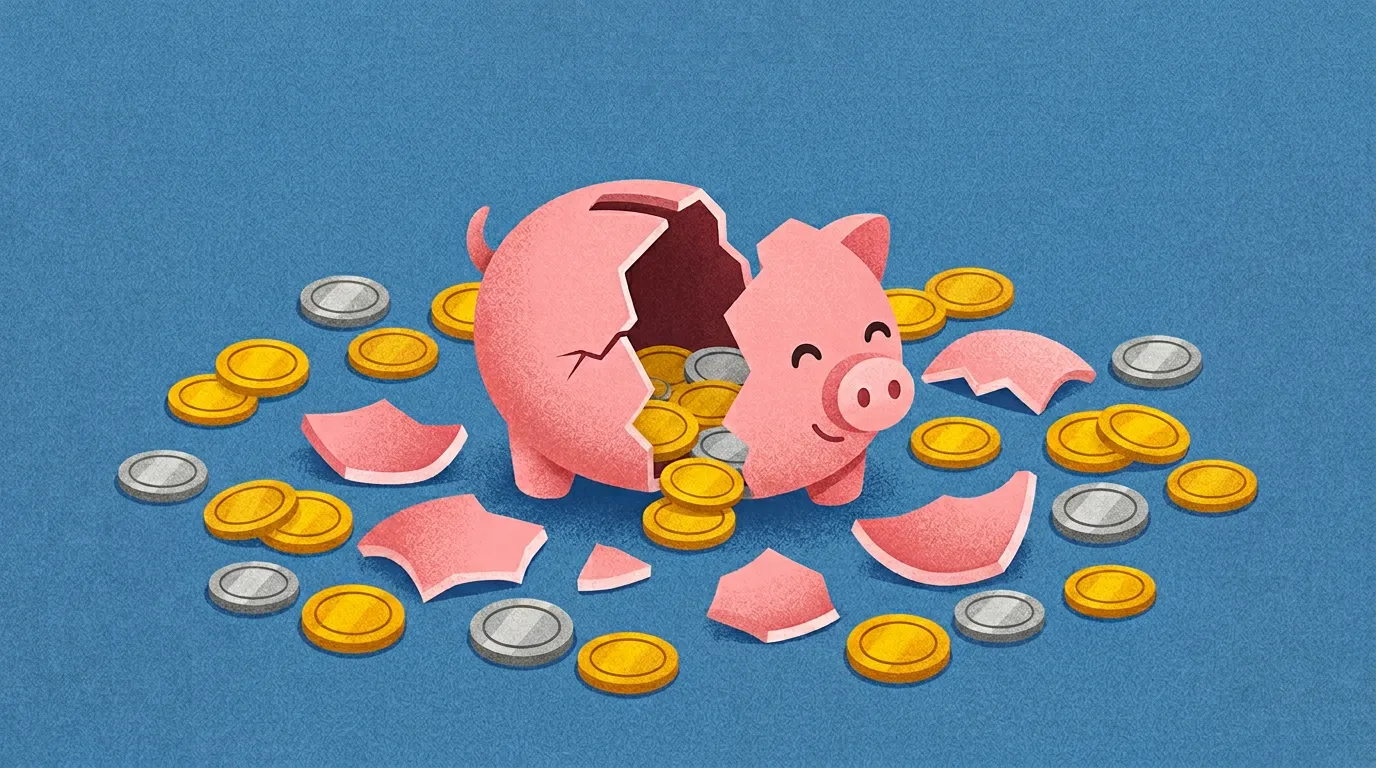
Buy Now, Pay Later: What to Tell Your Teenager Before They Find Out Themselves
Your teenager is checking out an order online. They’ve found something they want. At the payment stage, alongside the usual options, there’s a new one: pay in three instalments, interest-free. The first payment is today. The other two come out automatically later.
Read More
How to Talk to Your Child About In-App Purchases Before They Drain Your Card
You’re checking your bank statement and there’s a charge you don’t recognise. You look more carefully. Then you look again. Then you go and find your child.
Read More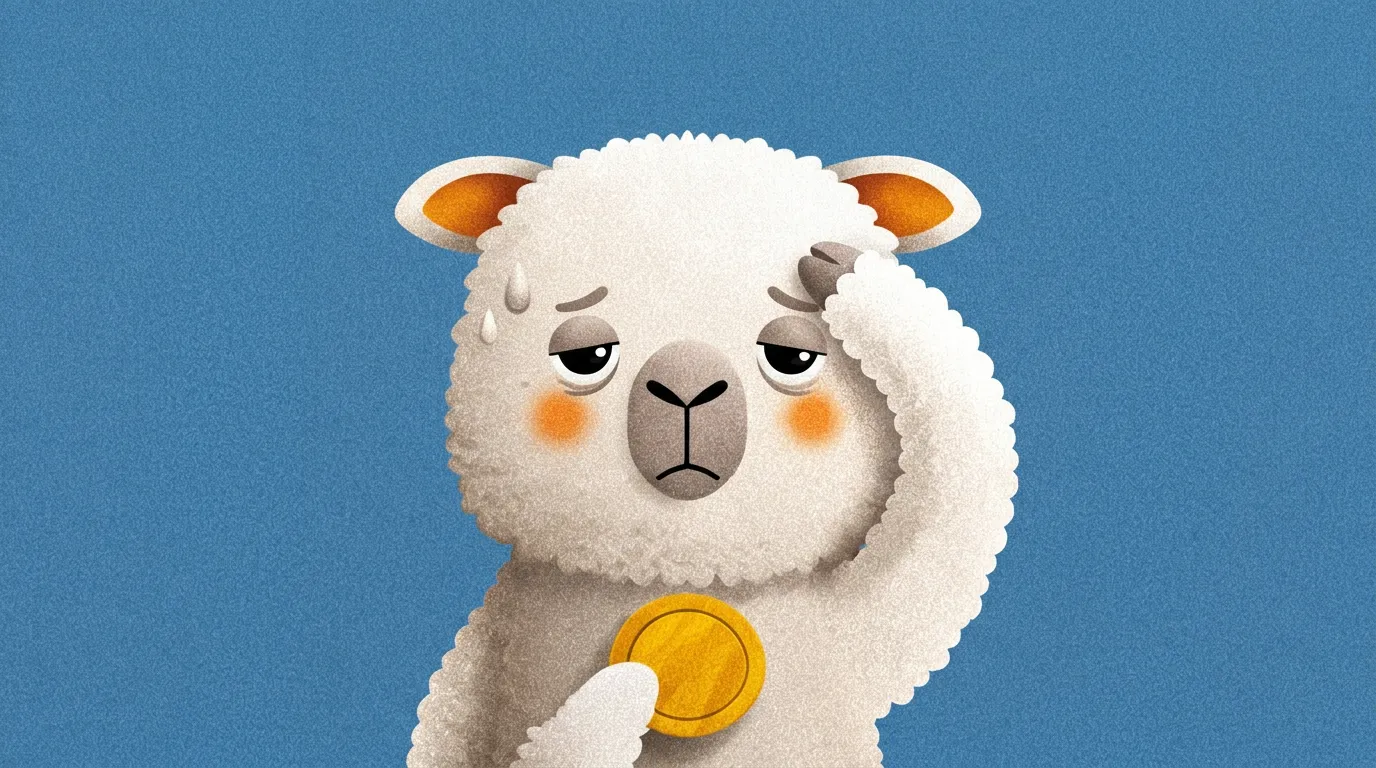
Subscriptions Your Child Might Not Know They're Paying For
Open your bank statement. Look at the last month of transactions. Find the small, recurring charges — the ones that appear every month, sometimes with slightly cryptic names, sometimes so familiar you’ve stopped seeing them.
Read More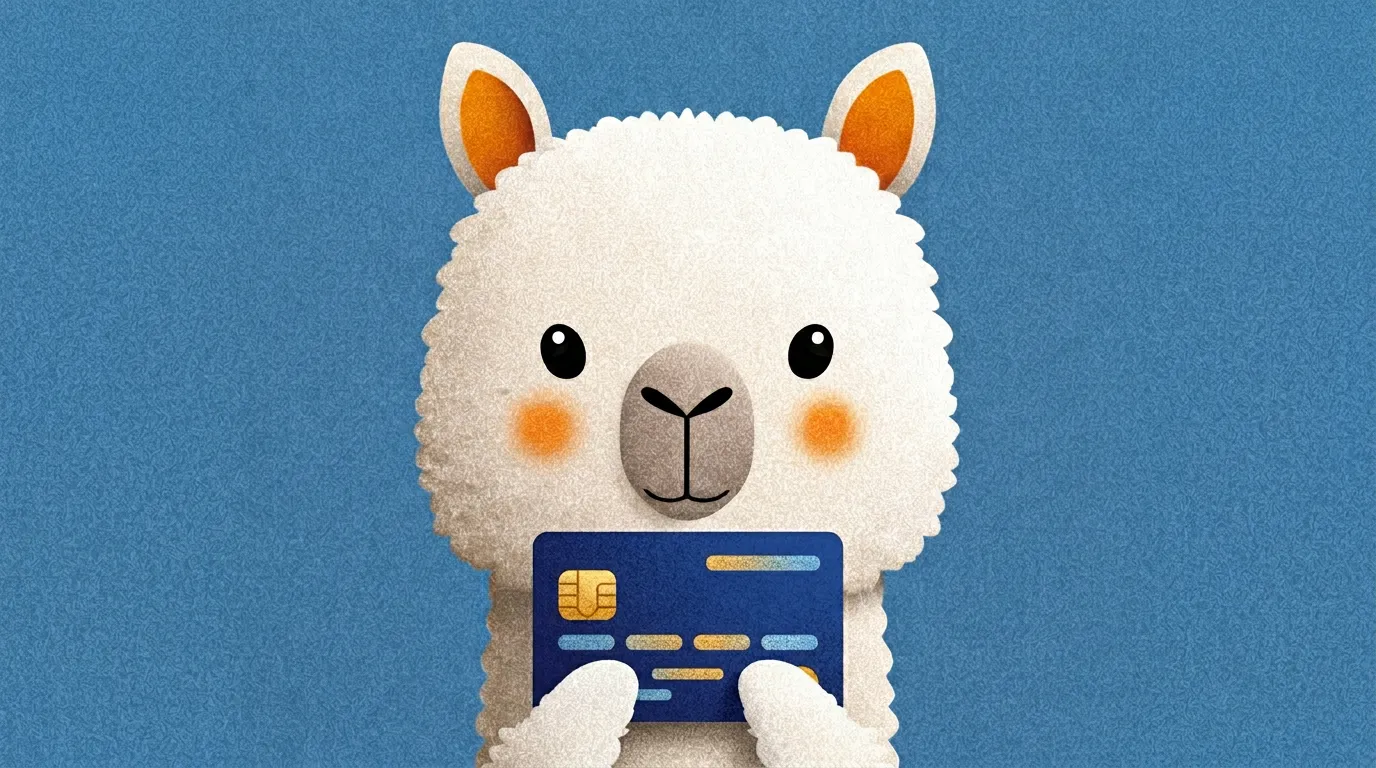
Tap, Swipe, Pay: How to Explain Digital Money to Kids Who've Never Seen Cash
You’re at the bakery. Your child watches you hold your phone an inch from a small screen. It makes a cheerful sound. You walk away with a paper bag of pastries and nothing visibly changes hands. Your child looks at you. Then at the machine. Then back at you.
Read More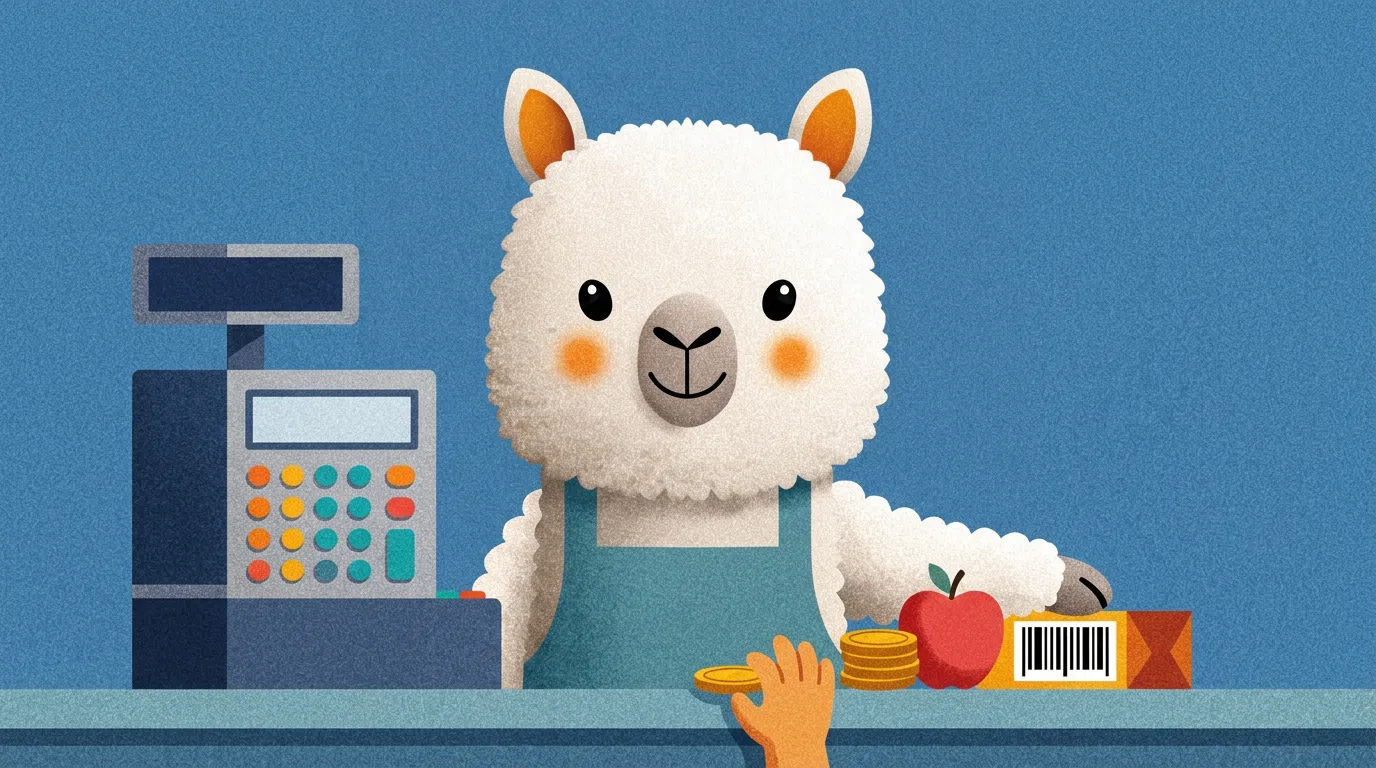
What Is a Bank, and Why Do People Put Their Money In One?
Your child watches you tap your card at the till. The machine beeps. You both walk away. A few steps later they ask: “Where did the money go?”
Read MoreWhen Should a Child Get Their First Savings Account?
For a while, the jar works beautifully. Coins go in. Goals get reached. A small sense of pride accumulates alongside the coins. But at some point — often around age seven or eight — the jar starts to feel insufficient. The amounts are getting bigger, the goals are taking longer, and there’s something in your child that seems ready for something more grown-up.
Read More
How to Set a Savings Goal With Your Child (And Actually Reach It)
Your child announces they want a particular toy. You say perhaps for their birthday. They say that’s too long. You say they could save up for it. They nod, put their next week of pocket money in a jar, and then two days later ask to spend it on a magazine.
Read More
How to Introduce a Simple Budget to a Child Without Making It Feel Like Homework
The word “budget” has a reputation it doesn’t entirely deserve. It sounds like restriction, like limits, like things you’re not allowed to have. Children hear it and immediately sense something joyless approaching.
Read More
The Piggy Bank Is Not Enough: Why Kids Benefit from More Than One Jar
Most children own a piggy bank before they own any real understanding of money. It sits on their shelf looking cheerful, occasionally receiving coins from a grandparent, and doing very little to teach anything. When it’s full, it gets broken open and the contents get spent in one enthusiastic afternoon.
Read More
Pocket Money 101: How Much to Give, When to Start, and What the Rules Could Be
Pocket money is a deceptively simple idea. You give a child some money. They learn to manage it. Over time, something useful develops. In practice, the details matter a lot. An allowance set up without much thought can drift, be used inconsistently, or teach exactly the wrong lessons. Set up thoughtfully, it’s one of the most powerful financial education tools a parent has access to — more effective than any book or lesson, because it’s real money with real consequences.
Read More
Should You Pay Your Child for Chores? Everything Parents Ask About Allowance
Ask ten parents whether they pay their children for doing chores, and you’ll get ten different answers, most of them delivered with surprising conviction. It’s one of those parenting questions that reveals a lot about how people think about money, family responsibility, and what childhood is for.
Read More
How Kids Can Earn Their First Money (Ideas That Actually Teach Something)
There’s a particular face children make when they hold money they’ve earned themselves for the first time. It’s different from the face they make when they receive money as a gift. There’s more weight to it. More stillness. They look at it a bit longer before putting it anywhere.
Read More
What to Do When Your Child Asks Why You Go to Work
You’re getting your coat. Your bag is by the door. Your child looks up from whatever they’re doing and asks, with the particular directness that only very young children manage: “Why do you have to go to work?”
Read More
Why Money Doesn't Grow on Trees: How to Explain Where Money Comes From
Your child asks you for something at the shop. You say not today. They ask why. You say something about money. They think about it for a moment and then ask, with complete seriousness: “Well, why don’t you just get more?”
Read More
What Your Child Already Understands About Money (That Might Surprise You)
Parents often assume they need to teach their child about money from scratch — as if financial understanding is a blank slate waiting to be written on. In practice, by the time you sit down for what feels like the first money conversation, your child already has opinions, impressions, and working theories that they’ve assembled entirely on their own.
Read More